Bintan, 15 June 2026 – Three lecturers from the Aquatic Resources Management (MSP) Programme at Raja Ali Haji Maritime University (UMRAH)—Dr Andi Zulfikar, Winny Retna Melani, M.Sc., and Tri Apriadi, M.Si.—took part in the launch of the “Coastal Ecosystem Repository,” organised by the School of Art, Design and Media, Nanyang Technological University (NTU), Singapore. The event was held at Mutiara Bintan Discovery, Malang Rapat, Bintan Island.
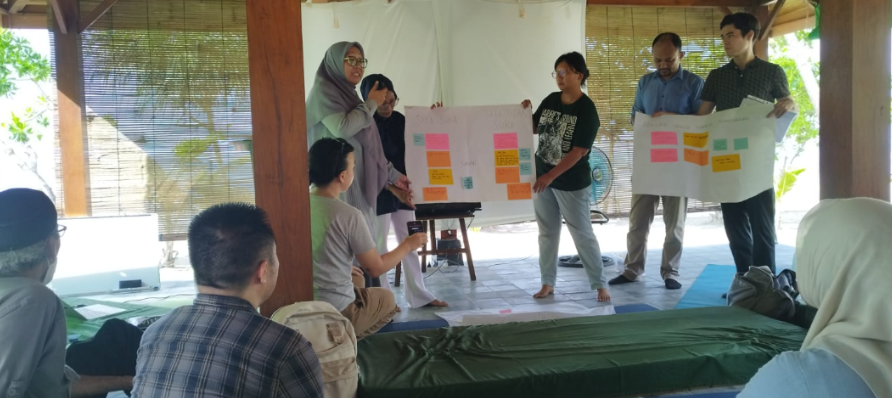
The event brought together stakeholders involved in coastal ecosystem management, including government, academics, community groups, and eco-tourism actors. A focus group discussion (FGD) was held to gather input for developing the repository as a platform for documenting and sharing information on coastal ecosystems.
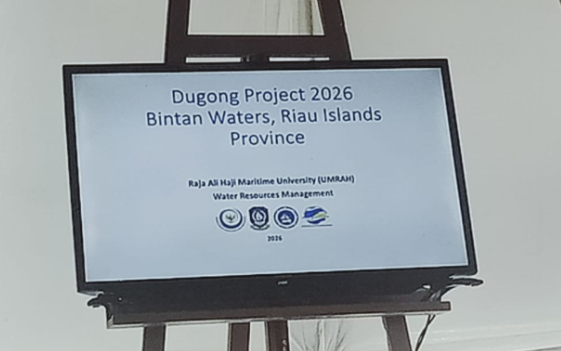
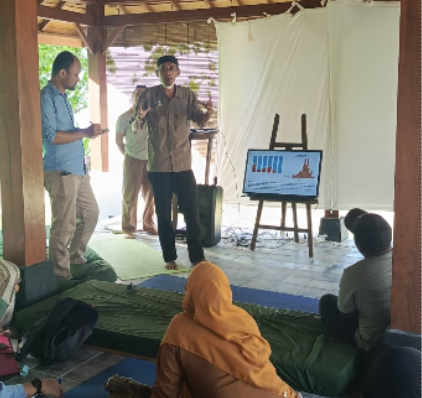
Alongside the discussion, UMRAH lecturers also presented recent research. Dr Andi Zulfikar shared findings from the “Dugong Project 2026 in Bintan Waters”, a study conducted by his research team and funded by PT Pelindo since 2025.
He highlighted key threats to dugong (Dugong dugon) populations in Bintan, particularly the degradation of seagrass habitats, which are essential for their survival. He stressed that protecting seagrass is crucial for dugong conservation and sustainable coastal ecosystems.
Dr Andi also introduced a dugong information platform developed by the team, aimed at enhancing public education and participation. The platform allows users to learn about dugongs and report sightings:
In addition, social research on community perceptions of dugong conservation was presented as part of a multidisciplinary approach to coastal management.
The participation of UMRAH MSP lecturers in this international event reflects the programme’s commitment to advancing research, building collaboration, and contributing to sustainable coastal management in Indonesia, particularly in the Riau Islands.
It is hoped that this initiative will strengthen collaboration among academics, government, communities, and international partners in managing coastal ecosystems based on science and community participation.