Chasing the Dugong: A Sea Tale – Part 2, Strengthening Conservation with Information Boards
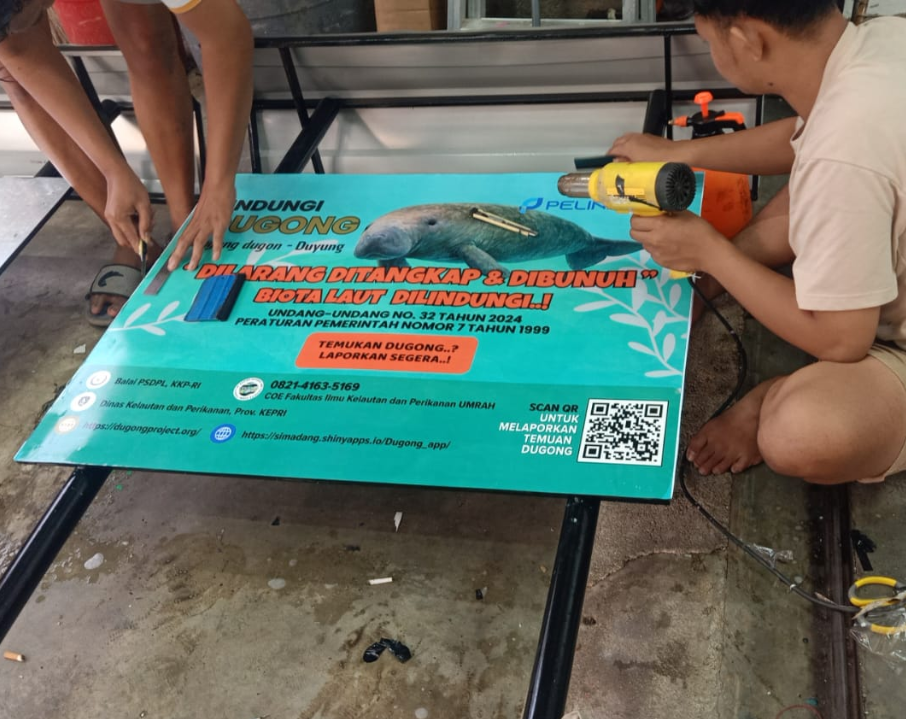
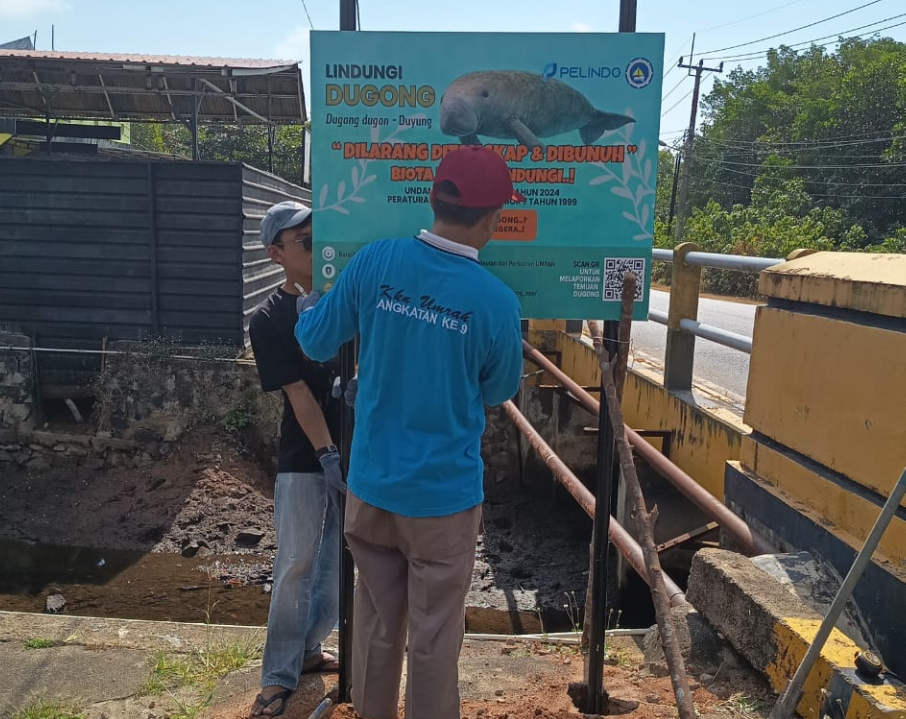
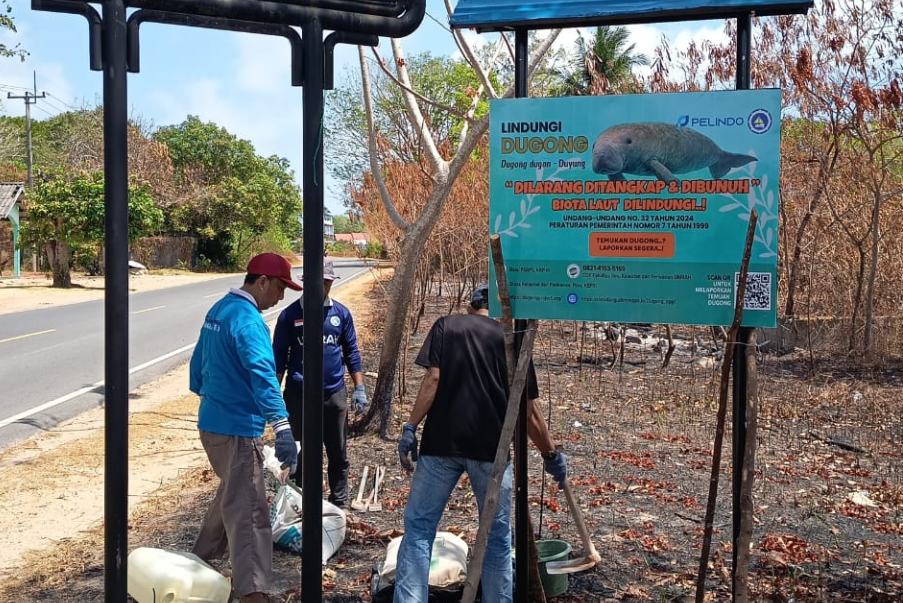
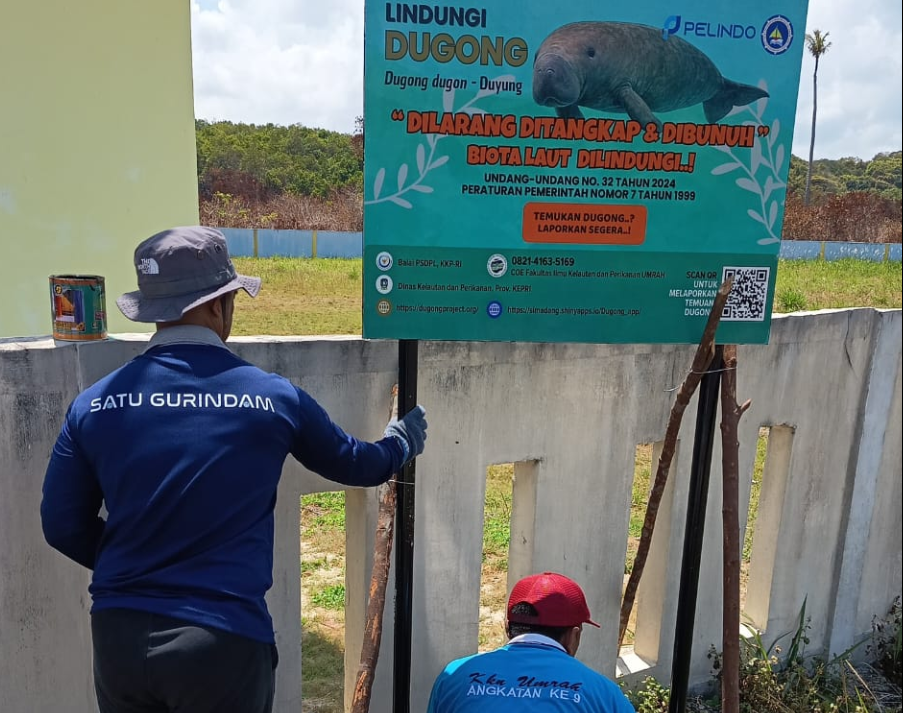
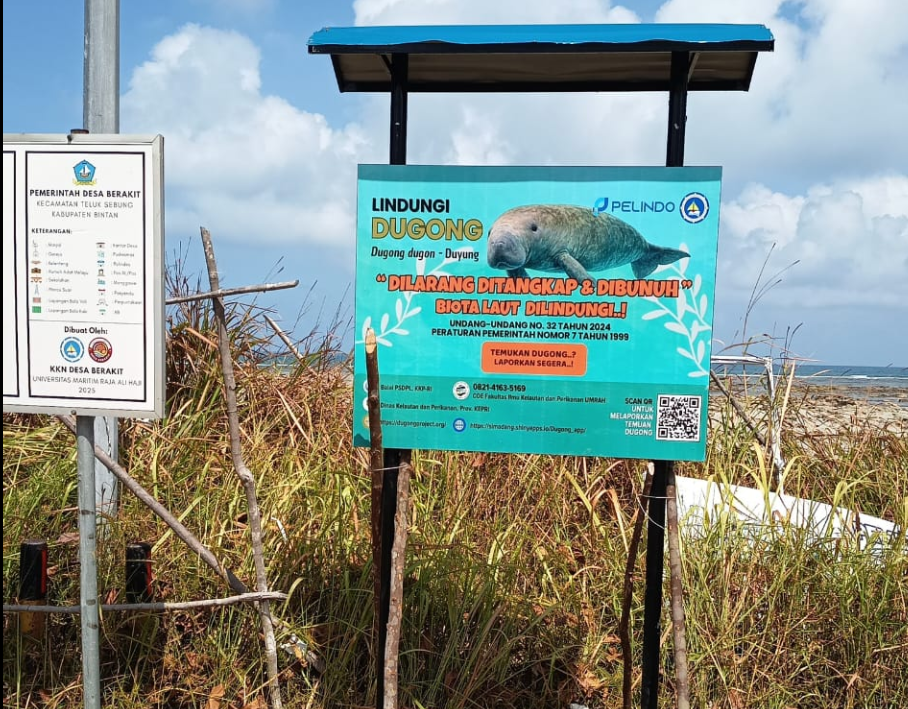
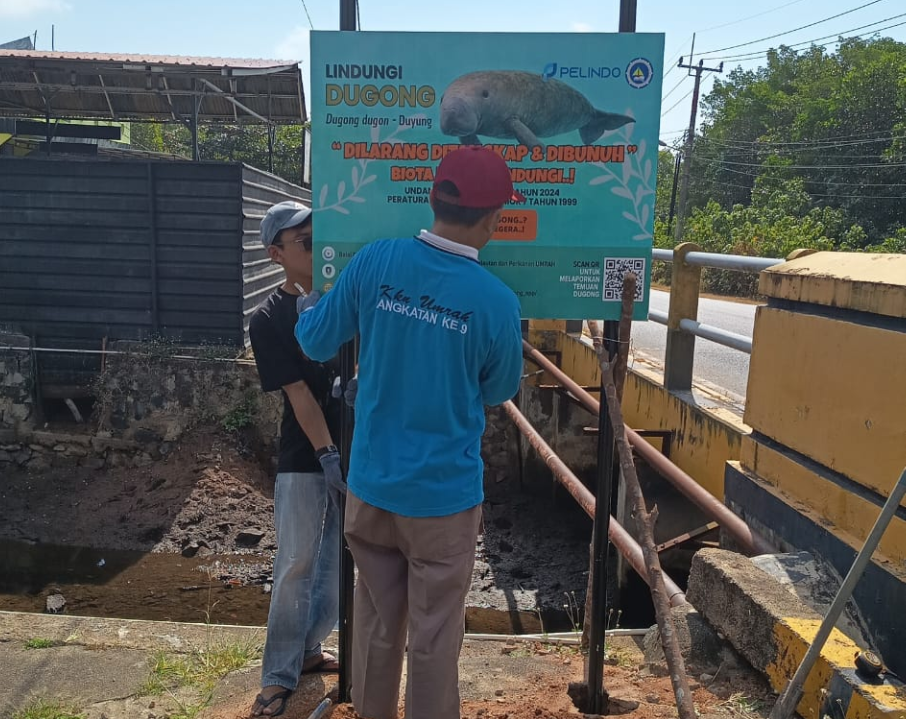
After the successful launch of the Dugong Conservation Dashboard in late January, the initiative took a visible step forward on February 14, 2026. Conservation partners and local communities came together to install public information boards in key coastal areas — places where dugongs had been sighted in the past and where people regularly gather. These boards are more than signs; they are symbols of a growing movement to protect one of the ocean’s most gentle guardians.
Each board carries a clear message: dugongs are protected under Indonesian law and must not be captured or harmed. QR codes and contact numbers allow anyone to report sightings instantly, ensuring that conservation data flows quickly from the shoreline to the dashboard. By combining digital tools with physical reminders, the project bridges tradition and technology, making dugong conservation part of everyday life.
“These boards make dugong conservation visible in everyday life. People can see them, scan them, and act immediately.”
Strategic Collaboration
The installation was carried out by PT PELINDO together with strategic partners — Universitas Maritim Raja Ali Haji (UMRAH), COE FIKP-UMRAH, the Provincial Marine and Fisheries Office (DKP Kepri), and Indonesia’s Ministry of Marine Affairs and Fisheries (KKP). Their collaboration reflects a shared vision: conservation is not only about science, but also about community, culture, and responsibility.
Key Locations
Boards were placed in areas where dugongs are most likely to appear and where community members frequently gather. This strategic positioning ensures that conservation messages reach the widest audience and that reporting can happen quickly.
A Visible Movement
With dashboards online and boards on the ground, the “Chasing the Dugong” initiative is expanding its reach. It transforms conservation into something visible, interactive, and collective. Each sighting reported, each board read, and each QR code scanned brings the dugong’s story closer to a future where it thrives once again in Bintan’s waters.
This second chapter marks a turning point: from data to daily life, from digital platforms to physical reminders. The dugong is no longer just a memory or a myth — it is a living symbol of resilience, waiting to be rediscovered and protected by the very communities that share its sea.